
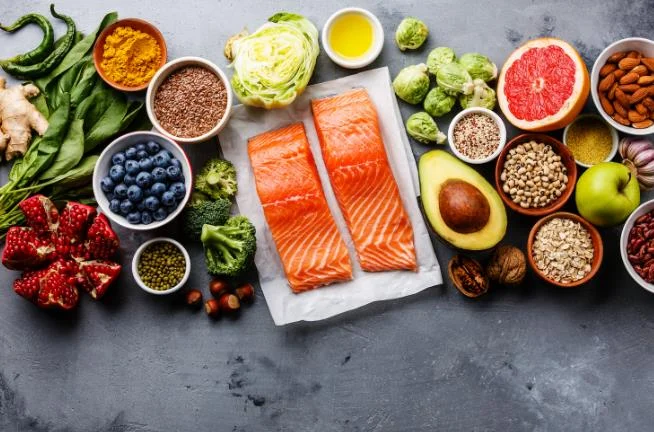
Evidence-Based Superfoods: Benefits and Myths
The concept of “superfoods” has taken the health and wellness world by storm. From glossy magazine covers to Instagram feeds, these nutrient-dense foods are often promoted as miracle solutions for longevity, weight management, and disease prevention. But how much of this hype is based on scientific evidence, and how much is marketing? This article delves into the evidence behind popular superfoods, explores common myths, and provides guidance on how to incorporate them into a balanced diet.
Defining Superfoods
While there is no strict scientific definition, “superfoods” generally refer to foods rich in vitamins, minerals, antioxidants, and other bioactive compounds that may provide health benefits. Common examples include berries, leafy greens, fatty fish, nuts, seeds, and certain teas. The key to distinguishing science-backed benefits from hype is evaluating peer-reviewed studies and clinical trials.

Science-Supported Superfoods
Blueberries
Blueberries are often lauded for their antioxidant properties, particularly their high levels of anthocyanins. Research shows these compounds may support cognitive function and cardiovascular health.
- Evidence: A randomized controlled trial involving 47 older adults found that daily consumption of 100 grams of blueberries for 12 weeks improved memory scores by 15% compared to the control group.
- Practical tip: Include fresh or frozen blueberries in breakfasts, smoothies, or salads.
Salmon
Fatty fish such as salmon are rich in omega-3 fatty acids, which have been extensively studied for heart health.
- Evidence: A meta-analysis of 20 studies concluded that regular intake of omega-3 fatty acids significantly reduces the risk of cardiovascular events, including heart attack and stroke.
- Case study: The renowned Framingham Heart Study, involving over 5,000 participants, found that those who consumed fish at least twice a week had a 30% lower risk of heart disease over 10 years.
Kale
Kale, a leafy green vegetable, contains vitamin K, folate, and carotenoids. It has been associated with improved bone and eye health.
- Evidence: Epidemiological studies link high vegetable intake, particularly cruciferous vegetables like kale, with a lower risk of certain cancers.
- Practical tip: Lightly sauté kale or add it to soups and smoothies to preserve nutrients.
Green Tea
Green tea contains polyphenols, particularly catechins, which have antioxidant and anti-inflammatory effects.
- Evidence: Clinical trials suggest that regular consumption of green tea may reduce LDL cholesterol and improve metabolic markers. A study with 240 participants over 12 weeks reported an average 7% decrease in LDL cholesterol among regular green tea consumers.
- Case study: Japanese populations with high green tea intake exhibit lower rates of cardiovascular disease, though lifestyle factors also contribute.
 Superfood Superfood |  Key Nutrients Key Nutrients |  Evidence-Based Benefits Evidence-Based Benefits |
|---|---|---|
 Blueberries Blueberries | Anthocyanins, Vitamin C, Fiber |  Improves memory, antioxidant effects Improves memory, antioxidant effects |
 Salmon Salmon | Omega-3 fatty acids, Protein |  Cardiovascular health, reduces inflammation Cardiovascular health, reduces inflammation |
 Kale Kale | Vitamin K, Folate, Carotenoids |  Bone health, may reduce cancer risk Bone health, may reduce cancer risk |
 Green Tea Green Tea | Catechins, Polyphenols | Lowers LDL cholesterol, metabolic benefits |
Common Myths About Superfoods
- “Superfoods can cure diseases”
- Reality: While some compounds may support health, no single food can treat or cure diseases.
- “More is better”
- Reality: Excessive consumption may be harmful; for example, too much kale can interfere with thyroid function due to goitrogens.
- “All marketed superfoods are effective”
- Reality: Many exotic foods are marketed as “super” with limited or no evidence. Consumers should focus on whole, nutrient-dense foods backed by research.
Tip: A balanced diet with a variety of fruits, vegetables, whole grains, lean proteins, and healthy fats is more important than relying on any single superfood.
How to Incorporate Superfoods Wisely
- Diversity over quantity: Eating a variety of nutrient-dense foods ensures a broad spectrum of vitamins and minerals.
- Combine foods for synergy: Pairing foods like blueberries with nuts or leafy greens with olive oil can enhance nutrient absorption.
- Consider real-life habits: Choose superfoods you enjoy and can consume consistently.

Superfoods can offer tangible health benefits, but they are not magic bullets. Evidence-based consumption, paired with an overall healthy lifestyle, remains the cornerstone of wellness. By separating fact from fiction, we can enjoy the real benefits of these nutrient powerhouses without falling for marketing myths.