
Exploring Persian cuisine: the soul of Iranian cuisine
I spent my childhood and youth in Tehran, surrounded by a group of strong women – my mother, grandmother, aunt, and several older cousins. They control the family kitchen. At that time, I didn’t realize it, but those years trained my senses: taste, smell, and memory were deeply immersed in the essence of Persian cuisine.
In 1974, I moved to the United States and began trying to recreate the Persian flavor of my memories in the cramped kitchen of my apartment. This homesick attempt quickly became my lifelong pursuit. For over forty years, I have systematically studied the history, principles, and practices of Persian cuisine and Iranian cuisine – initially as a passionate side job, but now it has become my full-time mission.
This article is my invitation to you: step into the ancient world of Persian cuisine and bring this thousand year old flavor into your kitchen.

The ancient history of taste
Persian cuisine is one of the oldest and most influential culinary traditions in the world. As early as over three thousand years ago, Persians recorded recipes on cuneiform tablets. In 550 BC, Cyrus the Great established the Persian Empire, and as its territory expanded, Persian culinary culture also spread throughout Greece, Egypt, and Central Asia.
Centuries later, Persian cuisine spread through wars and migrations, profoundly influencing the cuisine of the Middle East and South Asia. Until today, many dishes can still trace their Persian origins – however, in the West, this ancient culinary art is still not well-known.
Is it ‘Iran’ or ‘Persia’?
You may notice that I alternate between using the words’ Iran ‘and’ Persia ‘. In history, ‘Persia’ was the Western term for Iran, until 1935 when the Iranian government officially requested that countries use ‘Iran’ instead.
Nowadays, ‘Iranian’ mostly refers to nationality, while ‘Persian’ represents a broader cultural and historical identity, including language, art, and cuisine. Persian cuisine not only belongs to present-day Iran, but also encompasses the dietary traditions of the Parsi communities in Afghanistan, Azerbaijan, Armenia, Turkmenistan, and even India, as well as Iranian immigrant communities around the world.
Creating a Persian style ingredient library
Many ingredients in Persian cuisine are actually familiar to Western chefs – Persian flavors have already subtly influenced global cuisine. However, if you want to truly restore that delicate aroma, there are several essential ingredients worth looking for: saffron, dried lime, rose water, pomegranate molasses, and berries.
In major cities in North America, it is common to find Persian or Middle Eastern grocery stores. If not available, it can also be purchased online, for example Sadaf、Persian Basket、 Or Tavazo The brands are quite reliable.
The balance of taste
The soul of Persian cuisine lies in “balance”: hot and cold, crispy and soft, sweet and sour, clear and strong – perfectly coexisting. Its aroma is delicate, the seasoning is mild, and it is not spicy or heavy mouthed; The appearance is colorful and visually captivating even before the first bite.
Golden saffron rice, emerald green vanilla, deep red pomegranate seeds, and snow-white yogurt – Persian cuisine is a sensory feast.
Sofreh: The soul of Persian dining table
Traditionally, Iranians would sit around the carpet to eat, and the tablecloth is called sofreh。 Although many modern families have switched to dining tables sofreh Still a symbol of family and hospitality – representing the spirit of ‘sharing food’.
Persian cuisine emphasizes sharing, with all dishes served simultaneously: bread, rice, stew, yogurt, salad, pickles, and drinks, without exception. Everyone can freely access it, and the dining table becomes the core of communication in passing dishes and conversations.
Bread comes before rice
Many people think that rice is the staple food in Iran, but for most people in the region, bread is the cornerstone of life. It is regarded as a sacred gift, taught from a young age not to waste or let bread fall to the ground.
There are over a hundred types of regional pancakes in various parts of Persia, among which the four most common are lavash、taftoon、sangak With barbari.
In North America, lavash It has become quite popular; If it cannot be obtained, Pita cakes can also be used as a substitute.
Fresh and appetizing side dishes
Persian cuisine often comes with various salads and appetizers, many of which are vegetarian dishes:
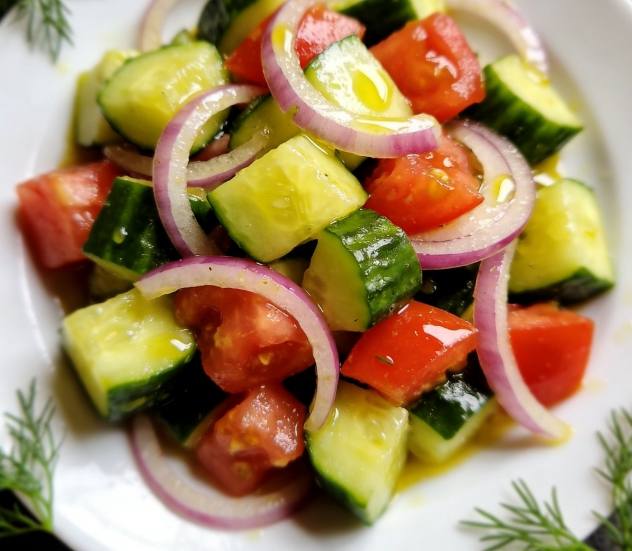
- Shirazi Salad-e Shirazi: Composed of cucumbers, tomatoes, and onions, seasoned with lemon or lime juice, it is refreshing and slightly sour, making it an ideal appetizer to pair with rice dishes.
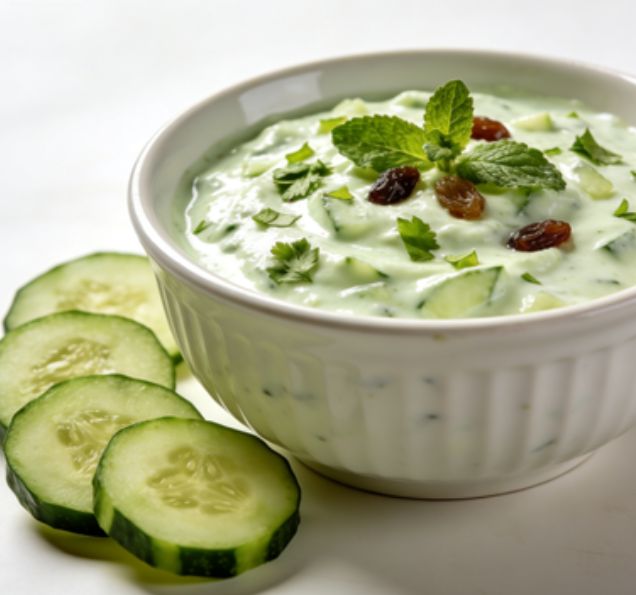
- Mast-o Khiar( Yogurt cucumber: Yogurt mixed with cucumber, mint, and sometimes raisins, cool and smooth, can be used as a side dish for grilled meat, rice, or dipping sauce.
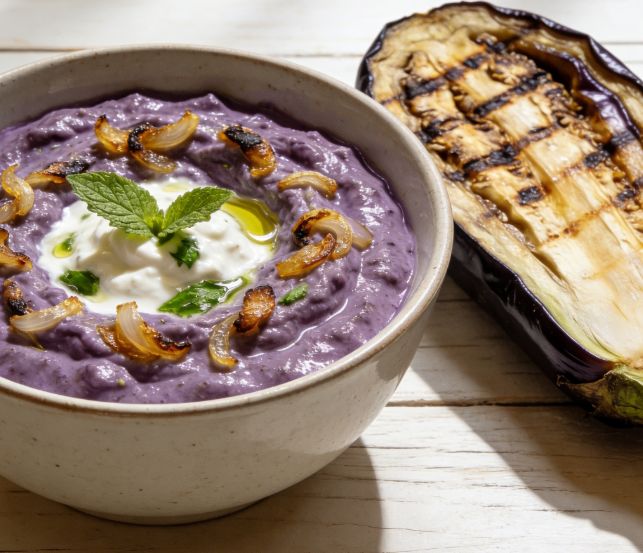
- Kashk-o Bademjan( Kashk Eggplant Sauce: A warm dipping sauce made from roasted eggplants and Kashk (fermented whey), with a rich aroma and often garnished with roasted onions and mint oil. Even those who don’t love eggplants will fall in love with this dish.
The Art of Rice
If bread is faith, then rice is art. Iranians elevate their cooking skills to the extreme – with distinct grains and a fragrant aroma Chelow, And the golden and crispy bottom of the pot Tahdig, It is the soul of every Persian meal.
Tahdig It’s the part that everyone competes for, always disappearing instantly after being served. Chelow Usually paired with various stewed dishes (Khoresh), it has a strong aroma and vivid colors.
The deep flavor of Persian stew
Persian stew is rich in layers and fragrant, both warm and delicate.
- Fesenjan( Pomegranate and Walnut Stewed Meat: Made from ground walnuts and pomegranate molasses, it blends sweet and sour flavors with nutty aroma. Traditionally stewed with duck or chicken, it is a dish that combines classical and luxurious elements.
- Khoresh-e Bademjan( Eggplant Stewed Meat: Stewed slowly with beef or lamb, tomatoes, and eggplants. The meat is soft and tender, and the sauce is thick and smooth. It is most suitable for pairing with fragrant rice Tahdig Enjoy together.
Persian Comfort Food: Kotlet
Kotlet It is a Persian version of meat patty, made from ground meat, potatoes, and spices, with a crispy exterior and soft interior, and a tempting golden color. It is versatile – it can be paired with pickles and pancakes, and can also be made into sandwiches. Some people call it the ‘Persian burger’, but its flavor is more delicate and layered.。
Persian cuisine does not strictly have a “dessert”, it often ends with fresh fruits and a cup of Persian black tea. But at other times of the day, Iranians still love sweets——
For example, Sholeh Zard, rose water pastries, or deep fried desserts topped with syrup.
Persian cuisine invites people to slow down – to savor, share, and appreciate the balance between simplicity and delicacy.
This is an art about poetry and patience, which has been passed down for thousands of years and still continues on the dining tables of every household.
Starting with rice, vanilla, and yogurt; Add a pinch of saffron and a handful of pistachios——
Like every Persian chef, cooking is not just about satisfying hunger, but about welcoming and sharing,
Make a meal a ceremony of love.