
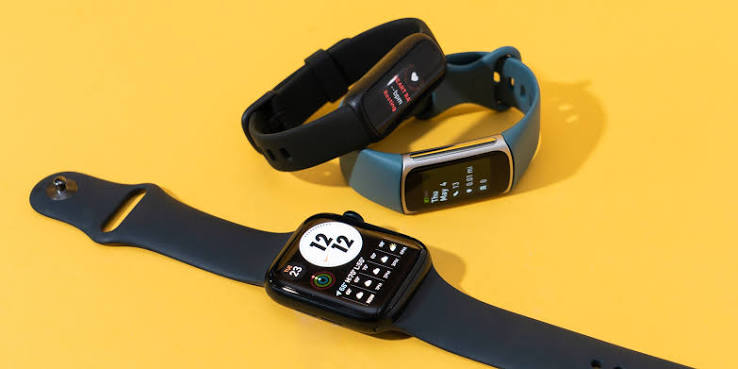
Best Fitness Trackers in 2026: Complete Guide to Health, Exercise, and Smart Wearables
Introduction
Wearable technology has become one of the fastest-growing categories in consumer electronics.
Millions of Americans now use fitness trackers and smart watches to monitor:
- Daily activity
- Exercise performance
- Sleep patterns
- Heart rate
- Personal health goals
What started as a simple step-counting device has evolved into a powerful personal technology assistant.
Modern fitness trackers can help users:
- Understand their habits
- Stay motivated
- Track workouts
- Monitor progress
- Build healthier routines
However, choosing the right fitness tracker can be difficult.
The market includes:
- Simple activity bands
- Advanced sports watches
- Premium smart watches
- Health-focused wearables
The best device depends on your lifestyle.
A professional athlete needs different features from someone who simply wants to improve daily activity.
This NexBuy guide explains what American consumers should consider before buying a fitness tracker in 2026.
Why Fitness Trackers Became Popular
Modern lifestyles have created new health challenges.
Many people spend more time:
- Sitting at work
- Using computers
- Traveling
- Managing busy schedules
Fitness trackers provide awareness.
They remind users:
- How much they move
- How they sleep
- Whether they are meeting goals
The technology helps turn invisible habits into measurable information.
What Makes a Great Fitness Tracker?
1. Health Tracking Features
Health monitoring is one of the biggest reasons people buy wearable devices.
Common features include:
- Heart rate monitoring
- Sleep tracking
- Activity measurement
- Stress tracking
- Workout analysis
However, not every user needs every feature.
The right choice depends on your goals.
2. Workout Tracking
Fitness enthusiasts should consider:
- Exercise modes
- GPS capability
- Training insights
- Performance measurements
Different activities require different features.
Examples:
Running:
- Distance tracking
- Pace measurement
- GPS
Swimming:
- Water resistance
- Stroke tracking
Strength training:
- Workout recognition
- Exercise logging
3. Battery Life
Battery life strongly affects daily experience.
Some users prefer:
- Longer battery life
- Less frequent charging
Others prefer:
- More advanced features
- Frequent charging
The right balance depends on your habits.
4. Comfort and Design
A fitness tracker is designed to be worn throughout the day.
Important factors:
- Weight
- Band comfort
- Screen size
- Material quality
A device with impressive features is not useful if you do not want to wear it.
5. Smartphone Compatibility
Before buying, check whether the device works well with your phone.
Consider:
- Operating system support
- App quality
- Data synchronization
A good wearable experience depends heavily on software.
Best Fitness Tracker Categories
Category 1: Best Overall Fitness Tracker
Ideal for:
- Everyday users
- Health-conscious consumers
- People wanting balanced features
Important features:
- Good health tracking
- Comfortable design
- Reliable app experience
- Long battery life
Category 2: Best Fitness Tracker for Runners
Runners should prioritize:
- Accurate GPS
- Training metrics
- Battery endurance
- Comfortable design
Advanced runners may need specialized features.
Category 3: Best Fitness Tracker for Beginners
Beginners usually need:
- Simple interface
- Basic activity tracking
- Motivation features
- Affordable pricing
A complicated device may reduce motivation.
Category 4: Best Fitness Tracker for Sleep Tracking
Sleep has become a major focus of wearable technology.
Important features:
- Sleep duration tracking
- Sleep pattern analysis
- Comfort during overnight use
Fitness Tracker vs Smart Watch
Many consumers confuse fitness trackers and smart watches.
They overlap, but they are different.
Fitness Trackers
Advantages:
- Focused on health
- Often lighter
- Longer battery life
- Simpler experience
Best for:
- Fitness goals
- Activity tracking
- Health awareness
Smart Watches
Advantages:
- More apps
- Notifications
- More advanced features
- Smartphone replacement functions
Best for:
- Connected lifestyles
- Professionals
- Users wanting more technology
Common Fitness Tracker Buying Mistakes
Mistake 1: Buying More Features Than You Need
Many consumers pay for advanced functions they never use.
Consider your actual goals.
Mistake 2: Ignoring Comfort
A fitness tracker should fit naturally into your daily life.
Comfort affects whether you continue using it.
Mistake 3: Focusing Only on Hardware
The software experience matters.
A good app improves:
- Understanding
- Motivation
- Long-term use
Mistake 4: Expecting Medical-Level Accuracy
Fitness trackers provide useful information.
However, they are consumer devices.
Users should understand their limitations.
How AI Is Improving Fitness Trackers
Artificial intelligence is becoming a major part of wearable technology.
AI can help analyze:
- Exercise patterns
- Sleep behavior
- Activity trends
- Personal goals
Future fitness trackers may provide:
“Your activity has decreased this week. Consider adding a 20-minute walk.”
or:
“Your sleep pattern suggests you may benefit from adjusting your bedtime routine.”
Future Trends in Wearable Technology
More Personalized Health Insights
Future devices will focus less on collecting data and more on explaining it.
AI Health Coaching
Wearables may become personal wellness assistants.
They could provide:
- Training suggestions
- Habit recommendations
- Goal adjustments
Better Integration With Daily Life
Fitness trackers may connect with:
- Smart homes
- Healthcare platforms
- Fitness applications
How to Choose the Right Fitness Tracker
Ask yourself:
What is my main goal?
Fitness?
Health awareness?
Sports performance?
How often will I use it?
Daily?
Only workouts?
What features matter?
GPS?
Sleep tracking?
Notifications?
What is my budget?
Basic?
Mid-range?
Premium?
Final Thoughts
Fitness trackers have become valuable tools for people who want better awareness of their health and activity.
The best fitness tracker is not the one with the longest feature list.
It is the one you will actually use consistently.
Before buying, focus on:
- Comfort
- Battery life
- Health features
- App quality
- Your personal goals
Technology can provide information.
But the real benefit comes from using that information to create better habits.
FAQ
Are fitness trackers worth buying in 2026?
For many users, fitness trackers provide useful motivation and health insights.
What is the most important fitness tracker feature?
For most people, comfort, battery life, and accurate activity tracking matter most.
Are fitness trackers accurate?
They provide useful estimates but should not be considered medical devices.
Should I buy a fitness tracker or smartwatch?
Choose a fitness tracker for health-focused use and a smartwatch for broader technology features.