Paella Valenciana: Spain’s Golden Treasure 🥘
When you think of Spain, what comes to mind first? Flamenco dancers swirling in vibrant skirts, sun-drenched plazas, or perhaps the irresistible aroma of freshly baked churros? For me, it’s none of these—it’s Paella Valenciana, the golden jewel of Spanish cuisine that has captured the hearts (and stomachs) of food lovers worldwide. Today, I want to take you on a flavorful journey into the heart of Valencia, the birthplace of this iconic dish, and show you why paella isn’t just a meal—it’s a celebration of life. 🌞🍤🐓
A Symphony of Ingredients 🎶
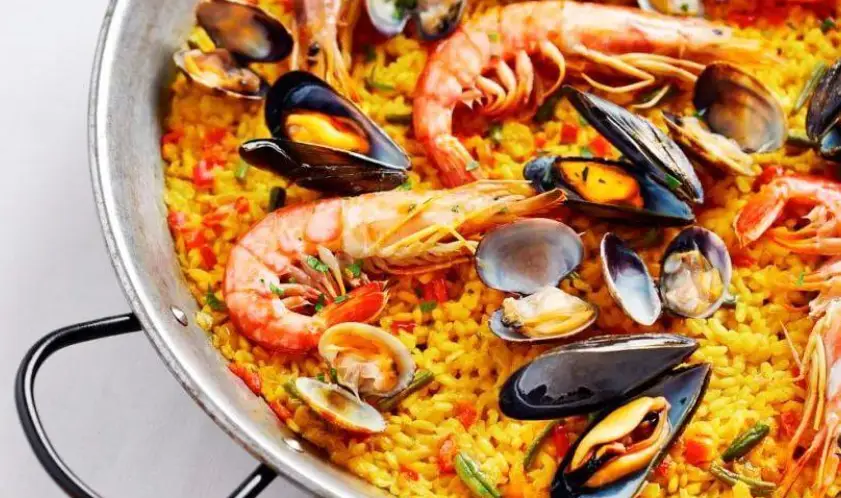
At first glance, paella might look like just a colorful mix of rice, seafood, and meat. But don’t be fooled—each ingredient has a role to play, much like musicians in an orchestra.
1. The Star: Rice 🌾
The rice is the canvas of paella, but not all rice will do. Traditional Bomba rice is short-grain, which means it absorbs liquid like a sponge without turning mushy. The magic happens when it soaks up the broth, carrying the flavors of saffron, chicken, seafood, and vegetables in every bite. The result? Rice that’s tender yet has a perfect bite—al dente, if you will.
2. Saffron: Liquid Gold ✨
Saffron is one of the most expensive spices in the world, but it’s worth every penny in paella. Its subtle, earthy aroma and vibrant golden hue transform the dish from ordinary to extraordinary. Imagine a sunbeam captured in rice grains—this is saffron’s gift.
3. Surf and Turf: Seafood + Chicken 🐟🐓
Paella Valenciana isn’t shy about combining land and sea. Shrimp, mussels, and squid mingle with tender chicken pieces, creating a harmony of flavors that’s simultaneously savory and slightly briny. The seafood lends a fresh ocean breeze to the dish, while the chicken adds depth and richness.
4. Vegetables: The Unsung Heroes 🌱
Green peas, sometimes red bell peppers, and a touch of fresh rosemary round out the dish. They bring color, texture, and a hint of sweetness that balances the richness of meat and seafood.
The Heart of Paella: Technique 💛
Making paella isn’t just following a recipe—it’s a ritual. The traditional method is as important as the ingredients themselves. Here’s what sets an authentic Paella Valenciana apart:
1. The Right Pan is Everything
A wide, shallow pan—a proper paellera—is non-negotiable. Its design ensures that the rice cooks evenly and forms the coveted socarrat, the caramelized crust at the bottom. This golden layer is pure magic: slightly crunchy, deeply flavorful, and arguably the best part of the dish.
2. Layering Flavors
You don’t dump everything in at once. Start with a base of olive oil and sautéed garlic, then brown the chicken and lightly sear the seafood. Next, add vegetables and aromatics. Only after this layering do you pour in the saffron-infused broth and rice, allowing each grain to absorb the liquid slowly.
3. No Stirring Allowed
Here’s a fun twist that often surprises newbies: once the rice is in, do not stir! This is key to creating the socarrat. Constant stirring breaks the rice grains and prevents the bottom from forming that irresistible caramelized layer.
4. Patience, Patience, Patience ⏳
Paella is a slow-cooked symphony. You need to let it simmer gently, absorbing flavors, before it’s ready to grace your table. This is not a dish for rush or microwave reheats—it’s a dish meant to gather friends and family around the table, to savor every moment and bite.
The Experience: Eating Paella 🍽️
Eating paella is as much a ritual as cooking it. Forget forks and knives—use a spoon or simply dig in with your hands if you’re in Spain. Serve it family-style, straight from the pan. Everyone reaches in, taking a scoop of rice, a mussel, a shrimp, and a piece of chicken. Conversations flow, laughter bubbles, and the room fills with the warmth of shared food and culture.
A perfect paella is more than a meal—it’s sunshine on a plate, a celebration of abundance, and a gentle reminder that life’s pleasures are best enjoyed slowly.
Fun Facts About Paella You Didn’t Know 🌍
- Paella is a Valencian invention: While most people associate it with seafood, the original Valencian recipe features chicken, rabbit, green beans, and snails. Yes, snails! 🐌
- The socarrat is sacred: This crispy bottom layer is so revered that Spaniards often fight over the pan edges to get the perfect bite.
- Paella day in Spain: In Valencia, paella isn’t just food—it’s a community event. Families gather on Sundays, and festivals celebrate paella with live music and cooking competitions.
Tips for Making Paella at Home 🏡
If you want to try making this golden wonder yourself, here are some tips:
- Invest in a paella pan – The wide, flat surface ensures even cooking.
- Use fresh seafood – Shrimp, mussels, clams, or squid will make a world of difference.
- Don’t rush the saffron – A pinch is enough; soak it in warm water to release its color and aroma.
- Simmer, don’t boil – A gentle simmer allows the rice to absorb flavor without turning mushy.
- Serve straight from the pan – Part of the charm of paella is the communal experience.
Pairing Recommendations 🍷
A crisp, chilled Albariño or Verdejo white wine complements the dish beautifully. For those who prefer beer, a light Spanish lager like Estrella Damm works perfectly. And of course, a fresh squeeze of lemon on top brings all the flavors together with a zesty finish. 🍋
Why We Love Paella Valenciana ❤️
Paella is more than just a recipe—it’s a story of culture, tradition, and family. It’s about taking simple ingredients—rice, vegetables, chicken, seafood—and turning them into something extraordinary. Each bite is a reminder of sunny Valencia, bustling markets, the smell of the sea, and the joy of sharing food with loved ones.
If you’ve never tried paella before, or if you’ve only had it at a chain restaurant, I urge you to experience it authentically. Roast the chicken, buy the freshest shrimp, and don’t forget the saffron. Gather friends, pour a glass of wine, and let the pan of golden rice transport you straight to Spain.